

Grand Canyon Home Inpsections
When you're buying a home near the South Rim or settling into a property along the canyon's edge, a thorough home inspection in Grand Canyon becomes your first line of defense against hidden structural issues and costly surprises, from moisture intrusion behind stone veneers to foundation cracks from expansive soils common to northern Arizona. Aspen Home Inspections brings years of experience evaluating properties in high-altitude, high-exposure environments where standard inspection protocols need to be adapted for local realities, with comprehensive property inspections that go beyond surface-level observations to examine attic ventilation, crawl space moisture levels, and the integrity of HVAC systems that work overtime in this climate. Whether you're a first-time buyer or a seasoned investor, understanding these nuances can mean the difference between a sound purchase and a money pit that drains your budget for years to come.
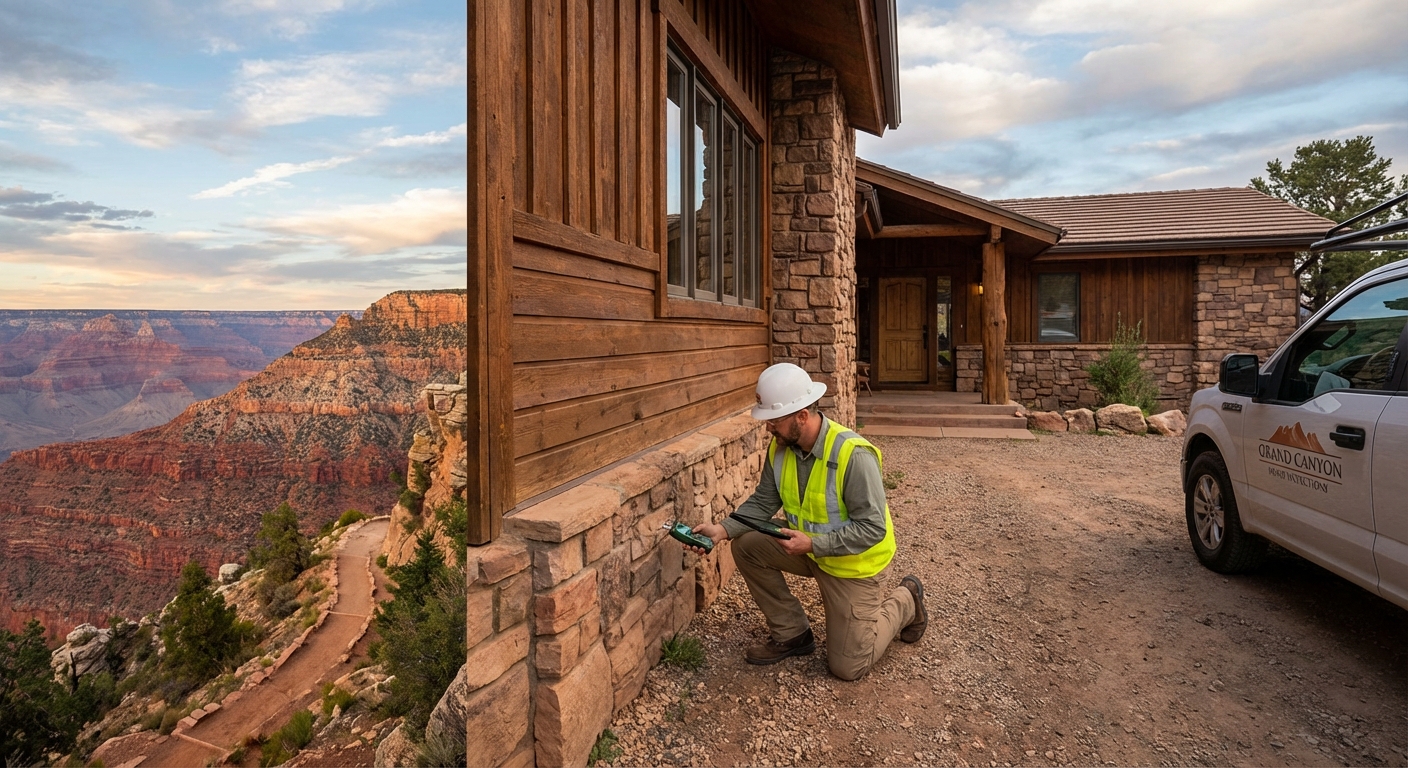
Why Grand Canyon Properties Demand Specialized Inspection Expertise
Homes in the Grand Canyon area aren't just dealing with typical Arizona heat—they're contending with altitude-related pressure changes, rapid freeze-thaw cycles in winter, and wind gusts that can peel back shingles or compromise flashing around chimneys and vents. A residential home inspection in Grand Canyon must account for these factors, examining roof decking for signs of uplift, checking for ice dam damage along eaves, and assessing whether insulation levels are adequate for the cooler nights that surprise many newcomers. We've inspected properties where summer highs reach the nineties but winter mornings drop below freezing, creating a thermal rollercoaster that stresses building materials and reveals weaknesses in construction quality. That's why a generic checklist won't cut it—you need an inspector who understands how this environment accelerates aging and where to look for the telltale signs of trouble.
The geology of the region also plays a role, with expansive clay soils and bedrock formations that can shift over time, leading to foundation settlement or cracking. During a local home inspection in Grand Canyon, we pay close attention to basement walls, slab edges, and crawl space supports, looking for differential movement that might indicate soil instability or inadequate drainage. It's not uncommon to find homes built on sloped lots where water runoff hasn't been properly managed, resulting in erosion near footings or moisture seeping into lower levels. These issues might not be visible during a casual walkthrough, but they can escalate into major structural repairs if left unaddressed. By identifying them early, you gain leverage in negotiations and a clear roadmap for remediation, protecting both your safety and your financial investment.
Common Pitfalls Uncovered During Property Inspections Near the Rim
One of the most frequent problems we encounter is inadequate attic ventilation, which becomes critical when summer temperatures soar and radiant heat builds up under the roof, forcing HVAC systems to work harder and potentially leading to mold growth on roof sheathing and rafters. Another red flag involves exterior finishes like stucco and stone veneer that develop cracks allowing water infiltration, along with outdated electrical systems in older properties that pose safety hazards. Each of these findings tells a story about how the home has been maintained and what challenges it faces in this demanding climate, helping you prioritize repairs and budget accordingly.
- Roof shingles showing granule loss or curling edges from intense UV exposure
- Foundation cracks wider than a quarter-inch indicating potential settlement issues
- HVAC systems undersized for the square footage or lacking proper maintenance records
- Plumbing fixtures with low water pressure suggesting corroded pipes or supply line restrictions
How Seasonal Weather Patterns Shape Inspection Priorities
The monsoon season, typically running from July through September, brings sudden downpours that test every aspect of a home's weather resistance, and during a property inspection in Grand Canyon we evaluate gutter systems, downspout extensions, and grading to ensure water is directed away from the structure rather than pooling near basement walls or crawl space vents where it can cause rot, mold growth, and costly remediation. Winter conditions introduce different challenges, with snow accumulation on roofs and ice dams that back up under shingles and leak into attics and exterior walls, making it critical to check insulation depth and distribution during a thorough residential home inspection in Grand Canyon. We've seen properties where bathroom and kitchen fans terminated in the attic, pumping humid air into an enclosed space and causing condensation that dripped onto insulation and ceiling drywall, demonstrating how seemingly minor oversights can lead to significant damage over time.
Find Us Locally in the Grand Canyon Area
We proudly serve the entire Grand Canyon area, from Grand Canyon area, from Tusayan to the South Rim and surrounding communities. Use the map below to see exactly where we're located and how we can help with your home inspection in Grand Canyon needs.
What Grand Canyon Buyers Should Know Before Scheduling an Inspection
Timing your inspection correctly can make a significant difference in what gets uncovered and how much leverage you have during negotiations, so ideally you want to schedule your local home inspection in Grand Canyon after your offer has been accepted but before the inspection contingency period expires. While a comprehensive home inspection covers structural components, roofing, plumbing, electrical, HVAC, and interior finishes, it doesn't typically include testing for radon, mold, asbestos, or lead-based paint, so you may need to arrange additional specialized evaluations. We recommend being present during the inspection so you can ask questions, see issues firsthand, and gain a deeper understanding of the home's systems and maintenance needs.
- Request copies of any previous inspection reports or maintenance records from the seller
- Walk the property perimeter before the inspection to note any obvious concerns or questions
- Bring a flashlight and wear sturdy shoes so you can safely access crawl spaces or attics if needed
- Take photos or videos of defects discussed during the inspection for future reference
New Section to Add
Insert this section after "What Grand Canyon Buyers Should Know Before Scheduling an Inspection" and before "Real-World Examples of Inspection Findings That Saved Buyers Thousands":
Specialized Inspection Services for Every Property Type and Situation
Not every home inspection follows the same path, and different buyers face different needs depending on whether they're purchasing new construction, selling a property, or checking in on a home they already own. For buyers considering brand-new homes near the canyon, a new build inspection in Grand Canyon catches construction defects before the builder's warranty clock starts ticking, examining everything from foundation pours to final trim work to ensure quality standards were met. Similarly, a new home inspection in Grand Canyon verifies that all systems function properly and that no shortcuts were taken during the building process. Sellers benefit from scheduling a pre-listing home inspection in Grand Canyon, which identifies problems before listing so you can address them proactively rather than scrambling during negotiations.
Homeowners approaching the end of their builder's coverage should consider warranty inspections that document defects before protection expires, and regular home maintenance inspections in Grand Canyon help spot small problems before they turn into expensive repairs. We also specialize in evaluating alternative housing types and provide comprehensive assessments for buyers ready to make an offer.
- One-year home warranty inspections in Grand Canyon for defects covered under initial builder guarantees
- Two-year home warranty inspections near Grand Canyon for issues that appear after the first year
- Pre-fabricated home inspections in Grand Canyon for factory-built properties
- Mobile home inspections in Grand Canyon where construction methods differ from traditional homes
- Pre-purchase home inspections that give you the full picture from foundation to roof
Real-World Examples of Inspection Findings That Saved Buyers Thousands
In one recent case, we inspected a charming cabin-style home near the park entrance that appeared well-maintained on the surface but revealed significant issues including evidence of past roof leaks, an outdated electrical panel, and standing water in the crawl space, allowing the buyer to negotiate a fifteen-thousand-dollar credit to cover necessary repairs. Another property we evaluated had a beautiful stone facade that concealed serious structural concerns, with improperly installed stone veneer trapping moisture and causing the underlying wood framing to rot, requiring partial demolition and reconstruction that the seller agreed to complete before closing. These outcomes wouldn't have been possible without thorough initial inspections that identified the problems and provided the documentation needed to hold sellers accountable, demonstrating how investing in a quality inspection upfront can save you from inheriting costly issues and ensure you're making a sound financial decision.
Questions Grand Canyon Homebuyers Ask About the Inspection Process
How long does a typical home inspection take in the Grand Canyon area?
Most inspections last between two and four hours, depending on the size and age of the property. Larger homes or those with multiple outbuildings, detached garages, or complex systems may take longer. We encourage buyers to plan for at least half a day so they can be present for the entire process and have time to discuss findings in detail.
What happens if the inspection reveals major defects?
If significant issues are uncovered, you have several options depending on your contract terms. You can request that the seller make repairs before closing, negotiate a price reduction or credit to cover the cost of repairs, or in extreme cases, walk away from the deal if the problems are too severe. Your real estate agent can guide you through the negotiation process and help you decide the best course of action based on the inspection findings.
Do I need to be present during the inspection?
While it's not required, we strongly recommend attending your Grand Canyon home inspection so you can see issues firsthand, ask questions, and learn about the home's systems and maintenance needs. This hands-on experience is invaluable for first-time buyers and helps you feel more confident about your purchase decision.
Protecting Your Investment with Ongoing Maintenance and Follow-Up
Once you've closed on your Grand Canyon property, the inspection report becomes a roadmap for ongoing maintenance and improvements. We recommend creating a prioritized list of repairs, starting with safety hazards like faulty wiring or structural deficiencies, then moving on to items that affect comfort and efficiency, such as HVAC tune-ups or insulation upgrades. By tackling projects systematically, you spread out costs and avoid the overwhelm that comes with trying to fix everything at once. Many buyers also use the report to establish a maintenance schedule, setting reminders for tasks like gutter cleaning, HVAC filter changes, and roof inspections that keep small problems from escalating into major repairs.
Schedule Your Grand Canyon Home Inspection Today
Don't leave your investment to chance—contact Aspen Home Inspections at 928-600-7761 for a thorough evaluation that uncovers hidden issues before they become costly problems. Our certified inspector brings over 20 years of experience to every property, delivering detailed same-day reports that give you the confidence to move forward with your purchase.



.png)