

Kachina Village Home Inspections
When you're preparing to buy or sell a home, a thorough home inspection in Kachina Village becomes your most valuable tool for understanding what lies beneath the surface, as this unique community nestled in the ponderosa pine forests south of Flagstaff presents specific challenges from foundation shifts caused by expansive soils to moisture intrusion from seasonal monsoons and winter snowmelt. The elevation and climate create conditions you won't find in lower desert communities, with homes built decades ago potentially lacking adequate insulation for cold winters and wood-destroying organisms thriving in the moist, forested environment. A comprehensive property inspection in Kachina Village goes beyond checking boxes on a standard form—it means understanding how local conditions affect everything from roof longevity to crawl space ventilation, especially since many properties rely on well water and septic systems rather than municipal services.
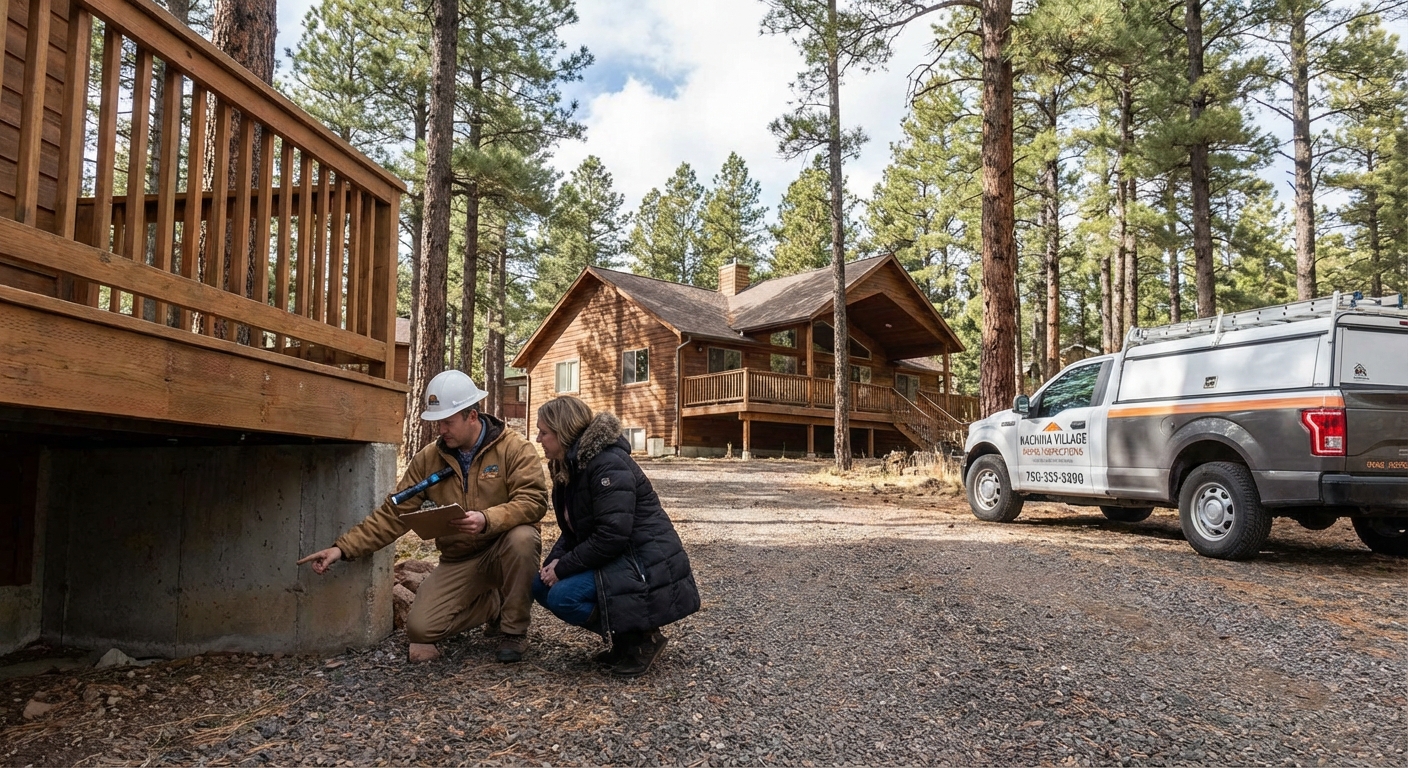
Why Local Knowledge Matters for Your Residential Home Inspection in Kachina Village
Generic inspection checklists don't account for the realities of living at 6,800 feet in a heavily wooded area where winter temperatures regularly drop below freezing and summer monsoons can dump inches of rain in a single afternoon. A residential home inspection in Kachina Village needs to address how these environmental factors impact structural integrity, mechanical systems, and long-term maintenance requirements. Inspectors unfamiliar with the region might overlook signs of frost heave in foundations, miss evidence of ice damming on roofs, or fail to recognize inadequate attic ventilation that leads to condensation problems during temperature swings. We focus on the details that matter most to homeowners in this specific microclimate, from evaluating whether heating systems can handle sustained cold snaps to checking whether drainage systems effectively channel snowmelt away from foundations.
The forest setting also introduces fire risk considerations that don't apply in urban areas. Defensible space, roof materials, and proximity to vegetation all factor into both safety and insurability. During inspections, we assess whether properties meet current wildfire mitigation standards and identify areas where improvements could reduce risk. This isn't just about passing an inspection—it's about helping you understand what it takes to maintain a safe, functional home in a wildland-urban interface zone. Many buyers from lower elevations don't realize how much more demanding maintenance becomes when you're surrounded by tall pines and dealing with snow loads, which is why education forms a critical part of every inspection we conduct.
Common Issues We Uncover During Local Home Inspections in Kachina Village
Every property tells a story through its defects and maintenance history, and homes in this area share certain recurring themes, with local home inspections in Kachina Village frequently revealing foundation movement related to expansive clay soils that shrink and swell with moisture changes throughout the year, manifesting as cracked drywall, sticking doors, and uneven floors. Moisture intrusion ranks as another persistent problem, particularly in older homes where building practices didn't account for the amount of precipitation this area receives, with crawl spaces without proper vapor barriers becoming breeding grounds for mold and wood rot. When we identify moisture intrusion during an inspection, we trace it back to its source and explain both immediate risks and long-term implications, helping buyers avoid purchasing someone else's deferred maintenance nightmare.
- Crawl space conditions including standing water, damaged vapor barriers, and wood moisture content
- Roof penetrations and flashing details around chimneys, vents, and skylights
- Grading and drainage patterns that direct water toward or away from foundations
- Window and door seals that may have deteriorated due to UV exposure and temperature cycling
How Elevation and Climate Shape Property Inspection in Kachina Village
Living at nearly 7,000 feet means dealing with environmental stresses that simply don't exist at lower elevations, with heating systems working harder and longer here, making their condition and efficiency critical factors in both comfort and operating costs, while insulation that meets code in Phoenix falls woefully short in this climate, leading to ice dams, frozen pipes, and astronomical utility bills. The intense UV radiation at this elevation also accelerates deterioration of exterior materials, with roof shingles, siding, deck finishes, and window seals all degrading faster than they would at lower elevations, shortening replacement cycles and increasing maintenance demands. During inspections, we look for signs of UV damage and help you understand the true cost of ownership, since a roof that might last 25 years in Tucson could need replacement after 15 years here, and that difference matters when you're budgeting for homeownership.
Well and Septic Systems Need Specialized Attention
Many properties in Kachina Village operate independently of municipal water and sewer systems, relying instead on private wells and septic systems that require different evaluation approaches, and while a standard home inspection in Kachina Village includes visual assessment of these systems, we strongly recommend additional specialized testing to fully understand their condition and capacity. We've seen buyers discover after closing that their well produces only two gallons per minute—barely enough for basic needs—or that septic systems are at the end of their functional life, facing $20,000 or more in replacement costs they didn't anticipate. These aren't defects you can spot during a casual walkthrough, which is why working with inspectors who understand these systems and can coordinate appropriate testing makes such a difference, ensuring you have complete information before making what's likely the largest financial commitment of your life.
Find Us Locally in the Kachina Village Area
We proudly serve the entire Kachina Village area and surrounding mountain communities. Use the map below to see exactly where we're located and how we can help with your home inspection needs throughout this region.
What Kachina Village Homebuyers Should Know Before Scheduling Inspections
Timing matters when you're coordinating inspections in a real estate transaction, and most purchase contracts in Arizona include a ten-day inspection contingency that closes quickly when you factor in scheduling, conducting the inspection, reviewing findings, and negotiating repairs, so we recommend contacting a Kachina Village home inspector as soon as your offer is accepted. Plan to attend your inspection whenever possible, as while we provide detailed written reports with photos, being present allows you to ask questions in real time, see conditions firsthand, and gain valuable knowledge about your potential new home's systems and maintenance needs. This educational component transforms an inspection from a simple pass-fail evaluation into an opportunity to become a more informed, confident homeowner, teaching you where shut-off valves are located, how to maintain your heating system, and how to prioritize future improvements.
Answers to Questions Kachina Village Residents Ask About Home Inspections
How long does a typical home inspection take in Kachina Village, and what does it cover?
Most inspections run between two and four hours depending on the property's size, age, and complexity. We evaluate all major systems including the foundation, roof, exterior, structure, electrical systems, plumbing systems, heating and cooling, insulation, and ventilation. In Kachina Village specifically, we pay extra attention to moisture intrusion points, heating system capacity, insulation adequacy, and conditions related to the forest environment and elevation. You'll receive a comprehensive written report with photos documenting our findings, typically delivered within 24 hours of completing the inspection.
Should I get additional inspections beyond the standard home inspection?
For properties with wells and septic systems, we strongly recommend specialized testing that goes beyond what a general inspection covers. Well testing should include flow rate measurement and water quality analysis, while septic inspections should involve pumping the tank and evaluating the entire system's condition. If we identify potential structural issues, pest infestations, or concerns about specific systems during the general inspection, we'll recommend appropriate specialists for further evaluation. These additional inspections cost more upfront but can save you from expensive surprises after closing.
What happens if the inspection reveals significant problems with a property I want to buy?
Inspection findings give you leverage to negotiate repairs, request credits toward closing costs, or adjust the purchase price to account for needed work. In some cases, discoveries are serious enough that buyers choose to terminate the contract and continue their search. We present findings objectively, distinguishing between minor maintenance items, significant defects requiring attention, and safety hazards demanding immediate action. Your real estate agent can then help you decide how to proceed based on the inspection results, your budget, and your tolerance for taking on repair projects.
Protecting Your Investment Through Professional Property Inspection in Kachina Village
Real estate transactions involve substantial financial commitments and emotional investment, which is why a professional property inspection in Kachina Village provides the objective information you need to make confident decisions, whether you're buying your first home, relocating to the mountains, or investing in rental property. At Aspen Home Inspections, we combine technical expertise with local knowledge and a commitment to client education that sets us apart, explaining the significance of defects, discussing repair options, and helping you understand how to maintain your property for years to come. Our reports are clear, thorough, and designed to be useful long after closing, serving as reference documents when you're planning improvements or troubleshooting problems, providing the insights you need to move forward with confidence.
Ready to schedule your inspection?
Don't let your contingency period slip away—contact Aspen Home Inspections today or call 928-600-7761 to arrange a comprehensive evaluation of your Kachina Village property. We're here to answer your questions and help you make informed decisions about one of life's biggest investments.



.png)