
Loose steps, cracked walkways, and old wiring show up in Flagstaff homes all the time. Inspectors know where to look because these problems repeat themselves. The city’s homes—old cabins, mid-century places, and new builds—each bring their own set of risks. Some issues are easy to spot. Others stay hidden until someone gets hurt.
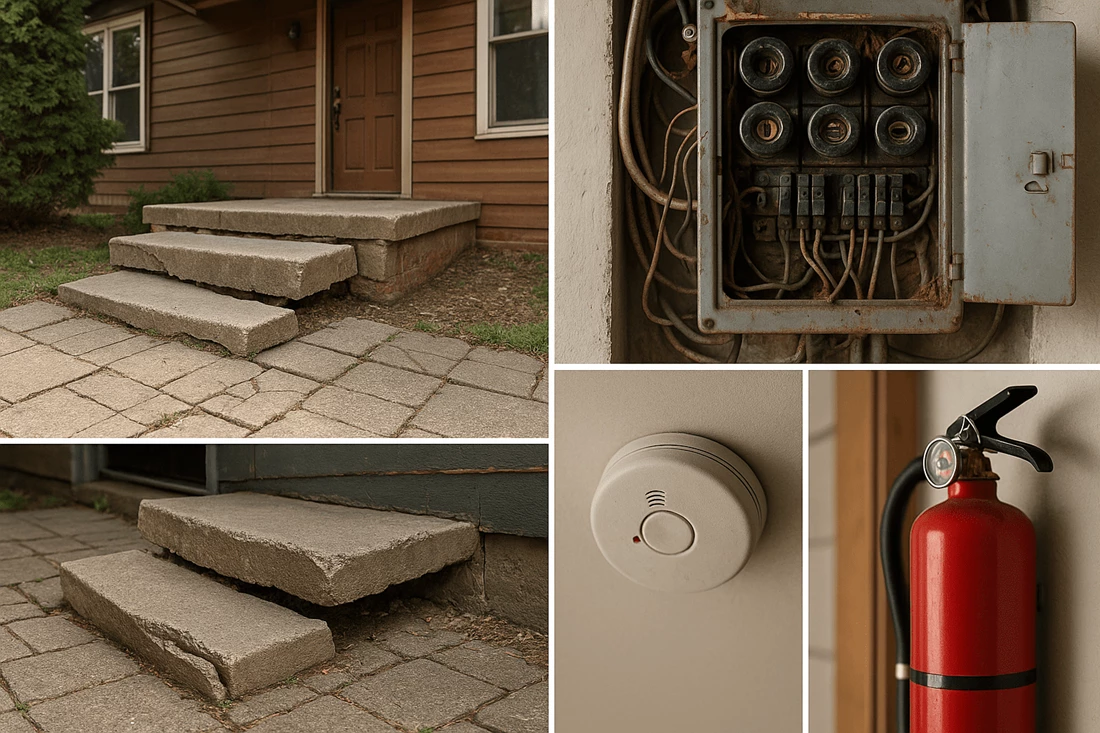
Here’s what stands out most during a thorough safety review:
- Walkways that shift with the seasons. Concrete cracks. Pavers settle. One bad step and you’re on the ground.
- Electrical panels that haven’t seen an upgrade in decades. Fuses blow. Circuits overload. Wires heat up behind the walls.
- Smoke alarms that don’t chirp. Fire extinguishers missing from kitchens and garages. Escape routes blocked by storage or furniture.
- Old gas heaters and fireplaces that leak carbon monoxide. No detectors in sight. Windows painted shut.
- Foundations with hairline cracks that grow wider every winter. Beams that sag. Floors that bounce underfoot.
- Stairs with loose railings. Steps worn smooth. Balusters missing or never installed.
These aren’t rare finds. They’re the hazards that show up in homes across Flagstaff, from downtown bungalows to mountain retreats. Every one of them can be fixed, but only if you know they’re there.
Trip Hazards and Electrical Dangers
Trip hazards don’t care about age or experience. One uneven threshold or cracked patio can send anyone to the ground. Flagstaff’s freeze-thaw cycles make these problems worse. Concrete heaves. Deck boards warp. Rugs curl at the edges. Inspectors spot these risks fast because they’ve seen the aftermath: sprained ankles, broken wrists, and lawsuits that follow.
Electrical issues bring a different kind of danger. Outlets spark. Extension cords snake across rooms as permanent wiring. Kitchens and bathrooms miss GFCI outlets, leaving people exposed to shocks. Panels packed with double-tapped breakers or mystery wires tell a clear story. The system’s out of date and overloaded. Exposed wiring in attics and crawlspaces doesn’t just look bad. It’s a fire waiting to happen.
- Loose or missing handrails on stairs and decks
- Extension cords used instead of proper outlets
- GFCI protection missing in wet areas
- Improperly grounded outlets and panels
- Damaged steps, uneven landings, and slippery surfaces
Every one of these issues gets flagged in a professional electrical inspection. The goal isn’t just to point out problems. It’s to give homeowners a clear plan for making things right. For buyers, knowing what to expect matters. The home inspection guide for Flagstaff buyers lays out the process in plain language.
Fire Hazards and Carbon Monoxide Threats
Fire doesn’t give warnings. Smoke detectors with dead batteries or missing covers don’t help anyone. Kitchens without fire extinguishers leave families exposed. Inspectors check every room for working alarms and clear escape routes. Chimneys and wood stoves get a close look. Creosote builds up fast, and blocked vents turn a cozy fire into a disaster. Gas appliances and attached garages bring carbon monoxide into the situation. No detector? That’s a silent risk. Poor ventilation, old flues, and cracked heat exchangers all get flagged.
Every inspection includes a check of detectors and a search for leaks. No uncertainty. No shortcuts. Our interior inspection process spells out every step, from testing alarms to checking for blocked exits. Homeowners get a list of what’s missing and what needs fixing. No confusion, no surprises.
Structural Problems and Stair Hazards
Flagstaff’s weather punishes homes year after year. Foundations crack. Walls bow. Floors sag. Inspectors know the signs: doors that stick, windows that won’t open, and floors that slope toward the center of the house. These aren’t cosmetic issues. They point to real structural movement. Left alone, they get worse. Water finds its way in. Mold grows. Beams rot.
Stairs and railings get the same attention. One loose board or missing baluster turns a staircase into a hazard. Lighting matters, too. Dark stairwells hide problems until someone falls. Inspectors check every step, every railing, and every landing. The structural inspection covers the big picture and the small details. Want to see what real problems look like? The inspection gallery shows actual issues found in Flagstaff homes.
Why Detailed Safety Reports Make a Difference
Most homeowners don’t see the risks until someone points them out. A detailed safety report does more than list problems. It gives a clear, step-by-step plan for fixing them. Photos show exactly what’s wrong. Notes explain what needs attention now and what can wait. No jargon. No uncertainty. Just a straightforward review of what matters most for safety.
Buyers, sellers, and long-time owners all benefit from a thorough review. Our complete certified home inspections cover every system, every room, and every corner. New builds aren’t immune. Mistakes happen during construction, and the new build inspection service finds them before they become expensive problems.
- Clear, photo-rich reports
- Actionable steps for repairs
- Honest, direct language. No sugarcoating
- Focus on real safety, not just code compliance
Flagstaff inspectors don’t just check boxes. We look for the issues that matter in real life. Where people walk, cook, sleep, and gather. That’s what keeps families safe and homes standing strong.
Speak with Our Team About Home Inspection Safety in Flagstaff
Ready to make your home safer? Call Aspen Home Inspections at 928-600-7761 or contact us to schedule your property safety review. We’re here to help you spot hazards, fix problems, and keep your Flagstaff home secure for years to come.



.png)