
Most buyers think new construction means perfect construction. Fresh paint, untouched floors, and a builder's warranty — what could go wrong? Plenty. The truth is, brand-new homes in Flagstaff come with their own set of risks, and skipping an inspection because the house is "new" is one of the fastest ways to inherit someone else's mistakes. Municipal inspectors check for code compliance, not craftsmanship. And builders? They're juggling timelines, subcontractors, and profit margins — not babysitting every nail and wire.
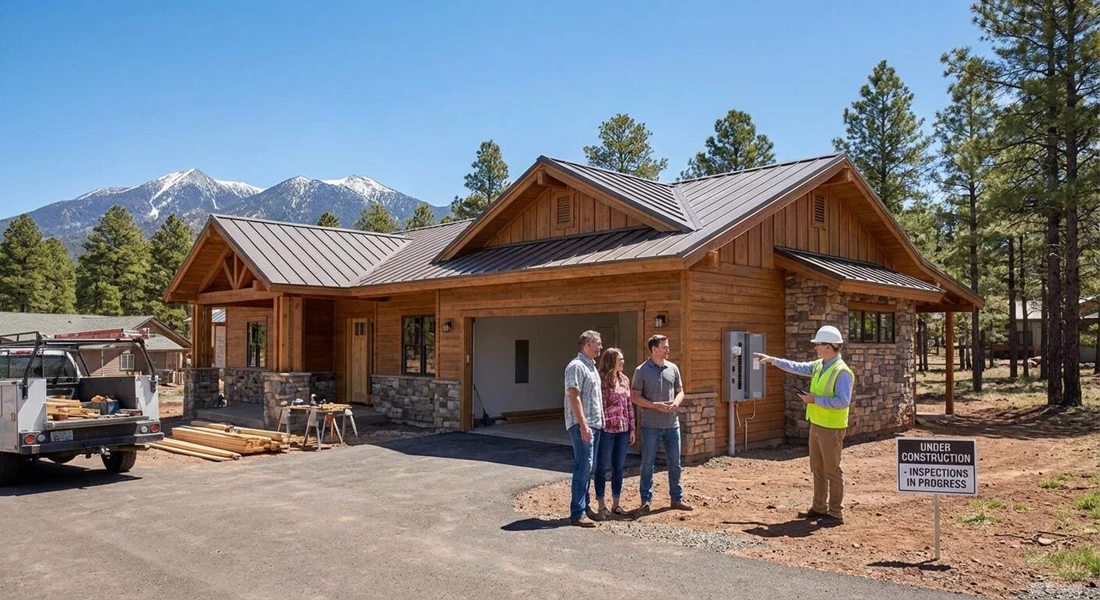
So here's the reality. If you're dropping serious money on a new build, you need eyes on it that work for you. Not the city. Not the builder. You. Because once you close, those problems become yours to fix — — and the warranty won't cover half of what you think it will.
New Doesn't Mean Flawless
There's this assumption that new homes are bulletproof. They're built to current codes, inspected by the city, and backed by a builder who wants repeat business. That sounds great until you realize municipal inspectors spend maybe twenty minutes per visit and only check specific items at specific stages. They're not crawling through attics or testing every outlet. They're verifying that framing meets code and moving on to the next site.
Meanwhile, your builder is coordinating a dozen subcontractors who may or may not communicate well. Framers hand off to plumbers. Pl Plumbers hand off to electricians. Electricians hand off to drywallers. Somewhere in that chain, things get missed. A vent gets blocked. A wire gets pinched. A flashing detail gets skipped. And nobody notices until water starts dripping through your ceiling six months later.
What Actually Goes Wrong
Walk through enough new builds and you'll see patterns. Some issues are cosmetic. Others are structural. All of them are easier to fix before you own the place.
- Roof flashing installed incorrectly, leading to leaks during Flagstaff's heavy snow seasons
- HVAC systems that aren't balanced, leaving some rooms freezing and others stuffy
- Plumbing connections that drip behind walls where you can't see them
- Electrical outlets wired backward or not grounded properly
- Windows and doors that don't seal, letting cold air pour in during winter
- Insulation gaps that tank your energy efficiency and drive up heating costs
- Drywall cracks, uneven flooring, or tile work that looks rushed
Some of these are annoyances. Others are safety hazards. And a few will cost you thousands if they're not caught early. That small plumbing leak? It turns into mold. That improperly wired outlet? It becomes a fire risk. New construction doesn't eliminate problems — it just hides them better.
Why a Third-Party Inspector Matters
Municipal inspectors work for the city. Your builder's quality control team works for the builder. A third-party inspector works for you. That's the difference. They're not checking boxes on a code sheet — they're looking for anything that could cost you money, compromise safety, or turn into a a headache down the road.
In Flagstaff, where elevation, weather swings, and snow loads put extra stress on homes, a good inspector knows what to watch for. They'll test systems, check drainage, look for moisture intrusion, and flag anything that doesn't meet industry standards — even if it technically passes code. And they'll explain it all in plain language so you know exactly what you're dealing with.
When to Schedule Inspections
Timing matters. You don't just inspect once — you inspect at key stages to catch problems while they're still fixable.
- Pre-Drywall Walkthrough: Before walls get closed up, you want eyes on framing, plumbing, electrical, and HVAC. Once drywall goes up, you're flying blind.
- Final Pre-Close Inspection: After construction wraps but before you sign, this is your last chance to document issues and get them fixed on the builder's dime.
- Eleven-Month Warranty Check: Most builders offer a one-year warranty. Schedule an inspection around month ten or eleven to catch anything that's developed since move-in and still qualifies for coverage.
What Happens When You Find Problems
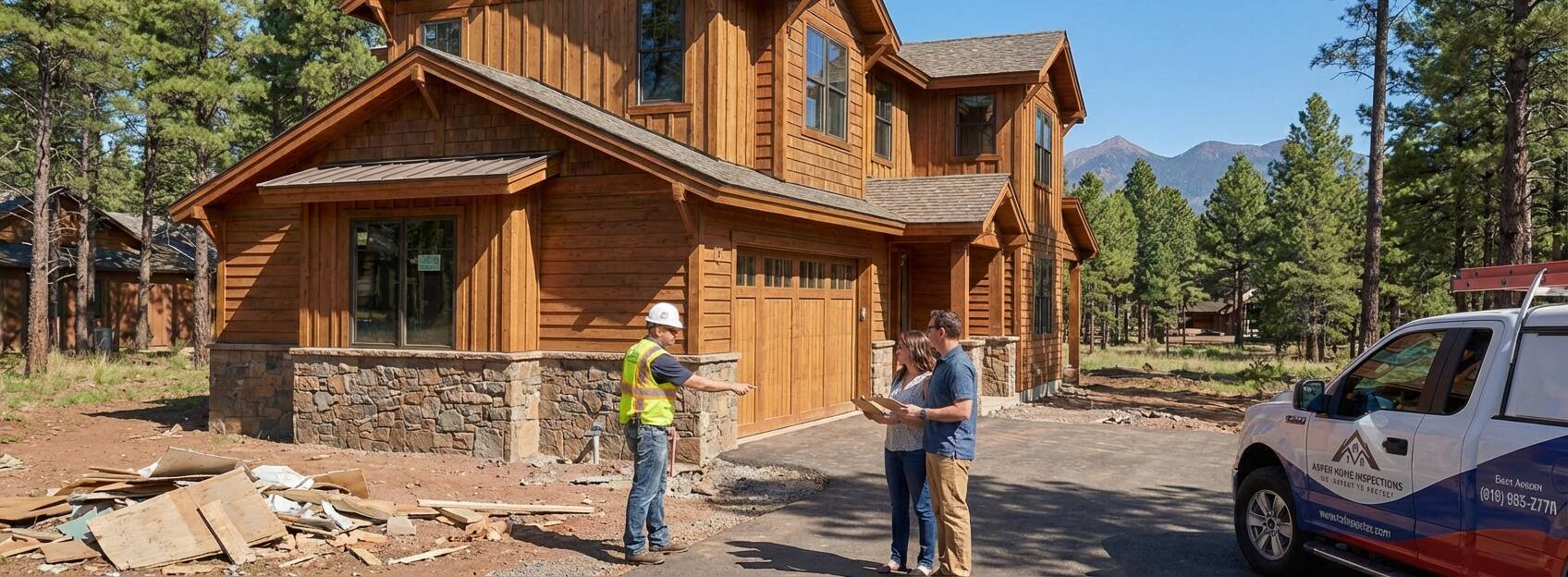
Finding issues during an inspection isn't a dealbreaker — it's leverage. If the inspector flags a plumbing leak or an improperly vented dryer, you can push the builder to fix it before closing. Most builders would rather handle repairs upfront than deal with warranty claims later. And if they refuse? That tells you something about how they'll treat you after the sale.
Documentation is everything here. Photos, written reports, and a clear paper trail give you the backup you need if disputes arise. And if the builder drags their feet, you've got proof to escalate through warranty channels or, in worst-case scenarios, legal routes.
The Warranty Won't Save You From Everything
Builder warranties sound reassuring until you read the fine print. Most cover structural defects and major systems, but they're loaded with exclusions. Cosmetic issues? Not covered. Normal wear and tear? Not covered. Problems caused by "homeowner negligence" — which can mean almost anything? Not covered.
- Cracks in drywall or tile are often considered cosmetic and excluded
- HVAC issues may only be covered if the system fails completely, not if it's just inefficient
- Plumbing leaks might not be covered if they're deemed "maintenance issues"
- Roof problems are frequently excluded unless there's clear evidence of installation error
- Electrical issues may require proof of code violation to qualify for warranty work
An inspection gives you a baseline. If something breaks later, you can point back to the report and show it was a pre-existing condition — not something you caused.
Flagstaff's Climate Adds Another Layer
Building in Flagstaff isn't the same as building in Phoenix. The elevation, temperature swings, and snow loads create unique challenges. Homes need proper insulation, moisture barriers, and drainage systems that can handle freeze-thaw cycles. If any of those details get missed, you'll feel it — literally — when your heating bill doubles or ice dams start forming on your roof.
A local inspector who understands Flagstaff's climate will know what to look for. They'll check attic ventilation, insulation R-values, and whether gutters and downspouts are positioned to handle snowmelt. These aren't things a generic checklist covers, but they're critical to how your home performs over time.
Skipping the Inspection Is a Gamble You'll Lose
Some buyers skip inspections to save a few hundred dollars or because they trust the builder. That's a mistake. The cost of an inspection is a fraction of what you'll pay to fix problems after closing. And once you own the home, the builder's motivation to help you drops to zero.
We've seen buyers move into brand-new homes only to discover leaking windows, faulty wiring, or HVAC systems that can't keep up with Flagstaff winters. By then, it's too late to negotiate. You're stuck paying out of pocket or fighting through warranty red tape. A new build home inspection upfront eliminates that risk and gives you the power to demand fixes before you hand over the keys.
New construction in Flagstaff offers a lot of advantages — modern layouts, energy-efficient systems, and the satisfaction of being the first owner. But none of that matters if the home wasn't built right. A complete certified home inspection isn't about doubting the builder. It's about protecting yourself. Because when it comes to your investment, trust isn't enough. You need proof.
Let's Make Sure Your New Home Is Truly Move-In Ready
We all want the excitement of a new home to last, not get overshadowed by hidden issues or costly surprises. If you're building or buying new construction in Flagstaff, let's make sure everything is done right from the start. Give us a call at 928-600-7761 to talk through your inspection needs, or schedule an inspection and let’s protect your investment together.



.png)