
Most buyers think inspections are just about checking boxes. Roof, foundation, plumbing—done. But airflow in your attic? That's where things get murky. Poor ventilation doesn't announce itself with a leak or a crack. It hides. And by the time you notice the damage, you're already looking at mold, rot, or a roof that aged faster than it should have.
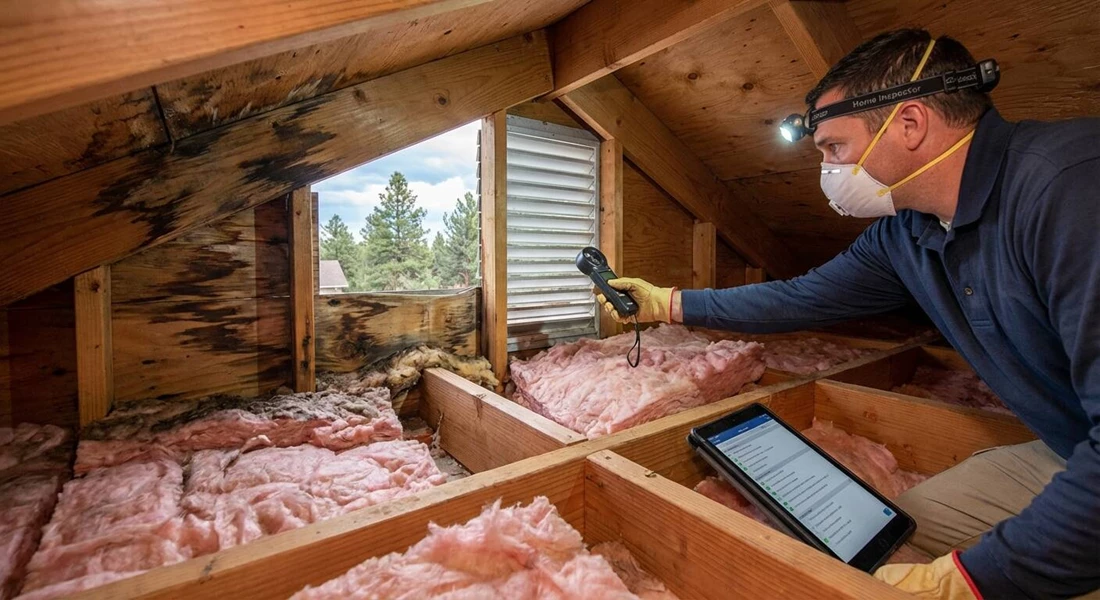
So here's what matters. If you're buying in Flagstaff, you need to know whether your inspector is actually looking at ventilation—or just glancing up through the hatch and moving on. Because not all inspections dig deep enough. And not all ventilation problems show up on a sunny afternoon in June.
Flagstaff's Climate Doesn't Forgive Lazy Airflow
High elevation means temperature swings. Cold nights, warm days, snow on the roof, and moisture rising from inside the house. That combination turns an attic into a condensation factory if the air isn't moving. And when moisture gets trapped, it doesn't just sit there politely. It rots wood. It feeds mold. It turns insulation into a soggy mess that stops doing its job.
Ventilation isn't optional in this climate—it's structural defense. Intake vents pull cool air in from the soffits. Exhaust vents push warm, moist air out through the ridge or gables. When that cycle breaks down, your attic becomes a liability. And most buyers don't realize there's a problem until the inspector flags it—or worse, until they're already living there.
What Inspectors Actually Check
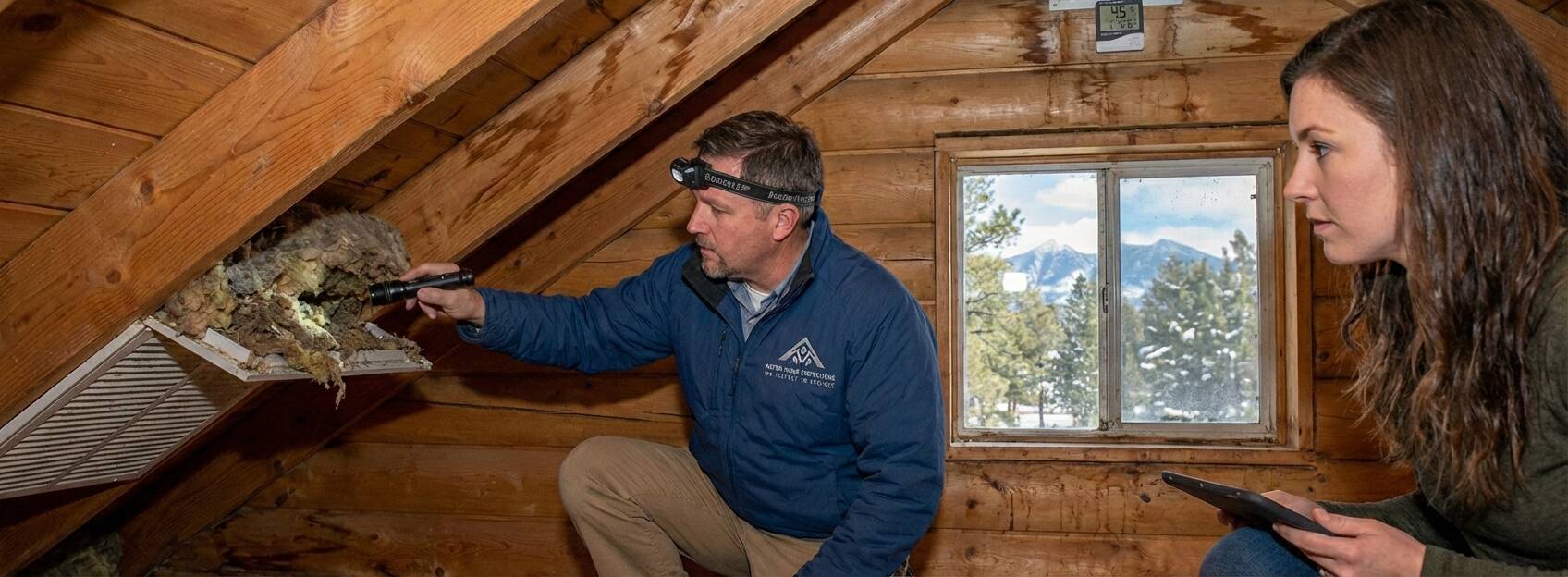
A solid home inspection includes a visual assessment of attic ventilation. That means the inspector climbs up, looks around, and evaluates whether the system is doing its job. They're not running airflow meters or pulling apart insulation, but they are trained to spot the red flags.
Here's what they're looking for:
- Presence and placement of intake vents along the soffits
- Exhaust vents at the ridge, gables, or roof line
- Blocked or covered vents from insulation, debris, or poor installation
- Signs of moisture damage like stains, mold, or warped wood
- Insulation that's been compressed or improperly installed near vents
Where Inspections Fall Short
Standard inspections are visual. That means if the problem isn't obvious, it might not get caught. An inspector won't tear up drywall or remove roofing materials to check hidden areas. They won't measure airflow velocity or calculate ventilation ratios unless you're paying for a specialized assessment.
And timing matters. If the inspection happens during a dry stretch, moisture issues might not be visible yet. If the attic is hard to access or poorly lit, details get missed. Inspectors will note concerns and recommend follow-up with a roofing or HVAC specialist, but they're not going to diagnose the root cause on the spot. That's not their role—and it's not what you're paying for in a general inspection.
The Warning Signs You Can't Ignore
If your inspection report mentions ventilation concerns, don't brush it off. Even minor issues compound over time, especially in a climate like Flagstaff's. Moisture doesn't wait for you to get around to it. Neither does mold.
Here's what should trigger immediate follow-up:
- Water stains or discoloration on attic wood or insulation
- Visible mold or mildew growth
- Musty odors when you open the attic hatch
- Ice dams forming on the roof during winter
- Uneven heating or cooling in rooms below the attic
Fixing Ventilation Before It Costs You
Some ventilation fixes are straightforward. Clearing blocked soffit vents, adding ridge vents, or repositioning insulation can make a real difference without breaking the bank. Other situations require more work—like upgrading an outdated system or repairing damage that's already occurred.
The key is acting early. Waiting until you see mold or feel drafts means you're already behind. And if you're in the buying process, use the inspection findings as leverage. Ask the seller to address ventilation issues before closing, or negotiate a credit to cover the repairs yourself. Either way, don't let it slide.
When to Bring in a Specialist
If your inspector flags ventilation problems—or if you're seeing signs of trouble in an existing home—it's time to call in someone who specializes in roofing or attic systems. They'll assess airflow, check for hidden damage, and recommend solutions tailored to your home's layout and Flagstaff's climate.
Here's what a specialist can do that a general inspector can't:
- Calculate the ventilation ratio and determine if it meets building codes
- Identify hidden moisture sources or structural damage
- Recommend specific vent types and placements for your roof design
- Evaluate insulation performance and compatibility with ventilation
- Provide a detailed repair or upgrade plan with cost estimates
Buyers Need to Ask the Right Questions
Don't assume your inspector will catch everything. Ask them directly about attic ventilation during the walkthrough. Request photos of the vents, insulation, and any problem areas. If they note concerns, get clarification on what that means and what your next steps should be.
And if you're already under contract, don't wait until the last minute to address findings. Ventilation repairs can take time, especially if contractors are booked or if the work requires permits. Build that buffer into your timeline so you're not scrambling at closing.
Homeowners Should Stay Ahead of It
If you already own a home in Flagstaff, periodic attic checks are worth the effort. You don't need to hire an inspector every year, but you should be looking for the same warning signs they would. Moisture, blocked vents, and insulation issues don't fix themselves.
Here's a simple maintenance checklist:
- Check soffit and ridge vents for blockages at least twice a year
- Look for water stains or mold after heavy snow or rain
- Make sure insulation isn't covering or compressing vents
- Monitor energy bills for unexplained spikes that could signal poor attic performance
- Schedule a professional assessment if you notice any red flags
Ventilation Problems Don't Announce Themselves
A home inspection in Flagstaff can absolutely catch attic ventilation issues—but only if the inspector knows what to look for and the problems are visible at the time of the visit. That's why buyers need to stay engaged, ask questions, and follow up on any concerns. And homeowners need to treat ventilation as ongoing maintenance, not a one-time check.
Airflow isn't glamorous. It doesn't show up in listing photos or get mentioned in open houses. But it's one of the most important systems in your home, especially in a climate that swings between snow and sun. Catch the problems early, fix them right, and you'll save yourself from the kind of damage that turns a small issue into a major expense.
Let's Protect Your Home's Future Together
Staying proactive about attic ventilation is one of the smartest moves we can make for our homes in Flagstaff. If you want peace of mind before buying or just want to be sure your current home is protected, let's talk it through. Give us a call at 928-600-7761 or schedule an inspection and we'll help you stay ahead of costly surprises.


.png)