
Most buyers think a home inspection is just a quick walkthrough. Show up, check a few boxes, sign off. But inspectors see more than that—and if you don't understand what they're looking for, you're walking into a property blind. Inspections aren't about rubber-stamping a deal. They're about uncovering what's hiding behind the drywall, under the roof, and inside the systems that keep a house running.
Here's what matters. If you're serious about buying in Flagstaff, you need to know how long the process takes and what drives that timeline. Size, age, condition—they all play a role. And if you skip the inspection or rush through it, you're gambling with the biggest purchase of your life.
The Typical Timeline for a Flagstaff Inspection
Most full home inspections in Flagstaff run between two and four hours. That's the standard window. But it's not a guarantee. Some properties breeze through in under two hours. Others stretch past four, especially if the inspector finds something that needs a closer look.
The clock starts when the inspector walks through the door and ends when they've covered every major system and component. That includes the roof, foundation, plumbing, electrical, HVAC, and everything in between. If the home is straightforward and well-maintained, you're looking at the shorter end. If it's older, larger, or showing signs of neglect, plan for more time.
Square Footage Changes Everything
A 1,200-square-foot condo doesn't take as long as a 3,500-square-foot single-family home. That's obvious. But what's not always clear is how much extra time each additional room, bathroom, or level adds to the process. Inspectors don't just glance at a space—they test outlets, check windows, examine fixtures, and document everything.
Larger homes also tend to have more complex systems. Multiple HVAC units, additional water heaters, bigger electrical panels. Each one requires attention. And if the property includes outbuildings, a detached garage, or a pool, those get inspected too. Every square foot counts when you're trying to estimate how long you'll be on-site.
Older Homes Demand More Attention
Age isn't just a number when it comes to home inspections. Older properties in Flagstaff—especially those built before modern building codes—often have quirks that slow things down. Outdated wiring, aging plumbing, original roofing materials. Inspectors can't rush through these areas. They need to assess whether systems are still functional or if they're ticking time bombs.
Homes built in the 1970s or earlier might have knob-and-tube wiring, galvanized pipes, or asbestos insulation. Each of these requires careful evaluation. And if the home has been remodeled over the years, the inspector needs to verify that the work was done correctly and up to code. That takes time. Sometimes a lot of it.
Condition Dictates the Pace
A well-maintained home moves faster. Clean crawl spaces, accessible attics, organized utility rooms—these make the inspector's job easier. But if the property has deferred maintenance, visible damage, or areas that are difficult to access, the timeline stretches.
Here's where condition slows things down:
- Water stains on ceilings or walls that suggest leaks
- Cracked foundations or settling issues
- Overgrown landscaping blocking access to exterior components
- Cluttered basements or attics that limit visibility
- Locked rooms or inaccessible areas that require coordination
Inspectors can't skip problem areas just because they're inconvenient. If something looks off, they dig deeper. And that means more time on the clock.
What the Inspector Actually Covers
A full inspection isn't a surface-level scan. It's a methodical review of every major system and structural component. Inspectors work through a checklist that covers the entire property, inside and out.
Here's what gets examined:
- Roof condition, flashing, and drainage systems
- Foundation integrity and grading around the home
- Plumbing fixtures, water pressure, and drainage
- Electrical panels, outlets, and wiring
- HVAC systems, including furnaces and air conditioning units
- Windows, doors, and weatherstripping
- Insulation levels in attics and crawl spaces
- Interior walls, ceilings, and flooring
- Garage doors, openers, and safety features
Each item on that list requires testing, documentation, and sometimes specialized tools. Moisture meters, infrared cameras, electrical testers—these aren't just for show. They help inspectors identify issues that aren't visible to the naked eye.
Accessibility Can Make or Break the Schedule
If the inspector can't get to a critical area, the inspection stalls. Locked electrical panels, blocked crawl spaces, attics with no access point—these create delays. And if the seller hasn't prepared the property, the inspector might have to reschedule or leave sections incomplete.
Smart buyers make sure everything is accessible before the inspection starts. That means unlocking gates, clearing pathways, and ensuring utilities are turned on. If the water or electricity is off, the inspector can't test plumbing or electrical systems. And that means you're not getting a complete picture of the property.
Why You Should Show Up
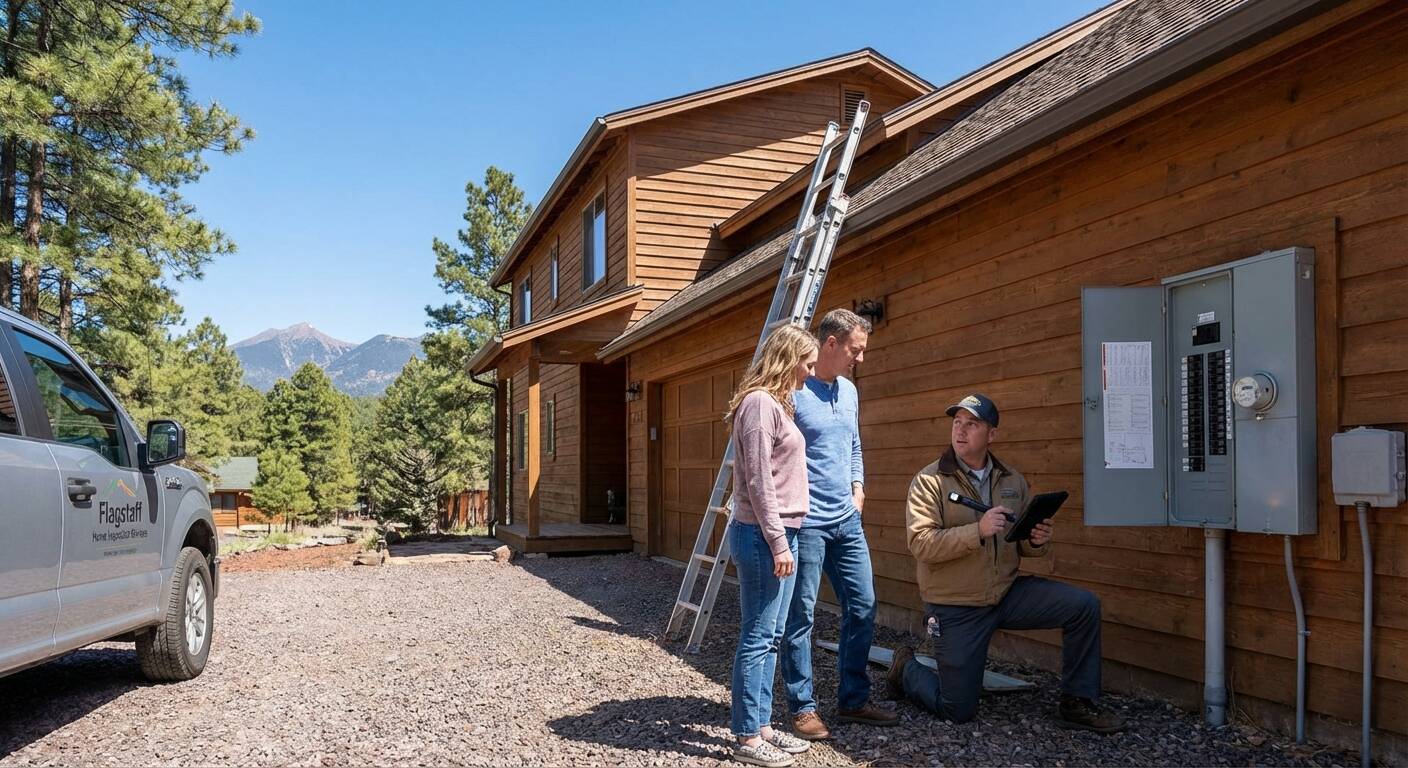
Attending the inspection isn't required, but it's one of the smartest moves you can make. Being on-site lets you see issues firsthand, ask questions in real time, and get a feel for the property's true condition. Inspectors are walking encyclopedias of home maintenance knowledge. Use that.
You don't need to shadow the inspector through every room. But stick around for the summary at the end. That's when they'll walk you through the major findings, explain what's urgent, and what can wait. It's also your chance to clarify anything in the report before you make your next move.
How to Keep Things Moving
Want the inspection to go smoothly? Prepare the property. Sellers and buyers both have a role here. The more organized and accessible the home is, the faster the inspector can work.
Here's what helps:
- Unlock all doors, gates, and utility panels ahead of time
- Clear clutter from basements, attics, and crawl spaces
- Secure pets in a separate area or off-site
- Provide documentation for recent repairs or upgrades
- Ensure all utilities are active and functioning
These steps don't just speed things up—they also help the inspector do a more thorough job. And that's what you want. A rushed inspection misses things. A well-prepared one catches them.
When the Timeline Stretches Beyond Four Hours
Some inspections take longer than expected. That's not a red flag—it's usually a sign that the inspector is being thorough. If they're spending extra time in the attic, crawl space, or around the foundation, they've likely found something worth documenting.
Properties with unique features also take more time. Homes with solar panels, septic systems, wells, or custom construction require specialized knowledge and additional testing. And if the home has been remodeled extensively, the inspector needs to verify that the work was done correctly and safely.
The Report Comes After the Walkthrough
The inspection itself is just the first step. After the inspector leaves, they compile a detailed report that includes photos, descriptions, and recommendations. Most inspectors deliver this within 24 to 48 hours. That report is your roadmap for negotiations, repairs, and long-term maintenance.
Don't just skim the summary. Read the full report. Understand what's critical, what's cosmetic, and what's somewhere in between. And if something doesn't make sense, call the inspector. They're there to help you make an informed decision, not just hand over a document.
Time Well Spent
A home inspection in Flagstaff takes as long as it needs to. Two hours, four hours, sometimes more. But that time is an investment in knowing exactly what you're buying. Skipping it or rushing through it doesn't save you anything—it just pushes problems down the road. And by then, they're your problems, not the seller's.
We've seen buyers walk away from deals because an inspection uncovered major issues. We've also seen them move forward with confidence because they knew exactly what they were getting into. The difference? They took the time to do it right. No shortcuts, no assumptions, no regrets.
Ready for a Thorough Inspection?
When it comes to buying a home in Flagstaff, we believe every minute spent on a detailed inspection is worth it for your peace of mind. Let’s make sure you have all the facts before you sign on the dotted line. Give us a call at 928-600-7761 to talk through your needs, or schedule an inspection and we’ll help you move forward with confidence.



.png)